
This is a rare chance to learn directly from the leaders who built the NASA-standard business system used on missions like the F-22, F-35, SR-71, and Mars Rovers.

Kevin Rice
Former NASA/JPL Project Business Manager · Former Skunk Works Director
Author of NASA’s Official PP&C Handbook
Kevin spent four decades leading the business side of some of the most complex missions in aerospace and defense. As a senior director at Lockheed Martin’s Skunk Works, he contributed to flagship programs including the F-22 Raptor, F-35 Joint Strike Fighter, and the SR-71. He later served as a Director of Project Business Management at NASA’s Jet Propulsion Laboratory, where he oversaw the business integration of the Mars Rover missions.
Kevin authored NASA’s official Program Planning & Control (PP&C) Handbook, the framework that still defines how mission-critical programs are planned, controlled, and executed across the agency.
Today, through Business Space Advisors, Kevin helps aerospace organizations install the same NASA-standard business integration systems that drive schedule certainty, cost control, and bid competitiveness.

William (Bill) Dimmer
35-Year NASA Veteran · Founder, CFO University · PP&C Training Authority
NASA Exceptional Achievement & Service Medal Recipient
Bill brings 35 years of NASA experience across Goddard, Kennedy, and NASA Headquarters, with a career spanning project analysis, assessment, cost control, policy development, and business training. He founded NASA’s CFO University in 2009, developing an 11-module curriculum in project business management and delivering it to more than 6,000 NASA employees and contractors.
Bills contributions have been recognized with the NASA Exceptional Achievement Medal, the NASA Exceptional Service Medal, and the Spaceship Earth Award.
After retiring from NASA, William co-founded Triangle Analytics, continuing to train and advise aerospace organizations alongside Kevin Rice. Together, they have supported multiple companies pursuing NASA contract work.
Aerospace projects don’t fail because of engineering — they fail because the business side isn’t integrated.
But here's the opportunity:

Very few early-career professionals understand PP&C — and those who do become invaluable.

This skill set gives you an advantage in:

✔ Hiring
✔ Promotions
✔ Competitive internships
✔ Program management roles
✔ NASA/DoD contractor pathways
✔ High-visibility project assignments

This program fills the gap between what aerospace education teaches and what aerospace companies urgently need.

This is the root cause of:
Cost overruns
Schedule slips
Friction with NASA and DoD program offices
Failed audits
Losing competitive bids
Internal chaos across disciplines

NASA solved this problem decades ago with PP&C Integration — a business discipline designed to unify cost, schedule, risk, technical scope, and performance into one coherent plan.

Private aerospace companies rarely have this capability in-house.

This is the gap the Pilot Program fills.
A complete, NASA-standard PP&C curriculum designed to accelerate your aerospace career.
You will learn the same integration system used on:

The F-22 Raptor

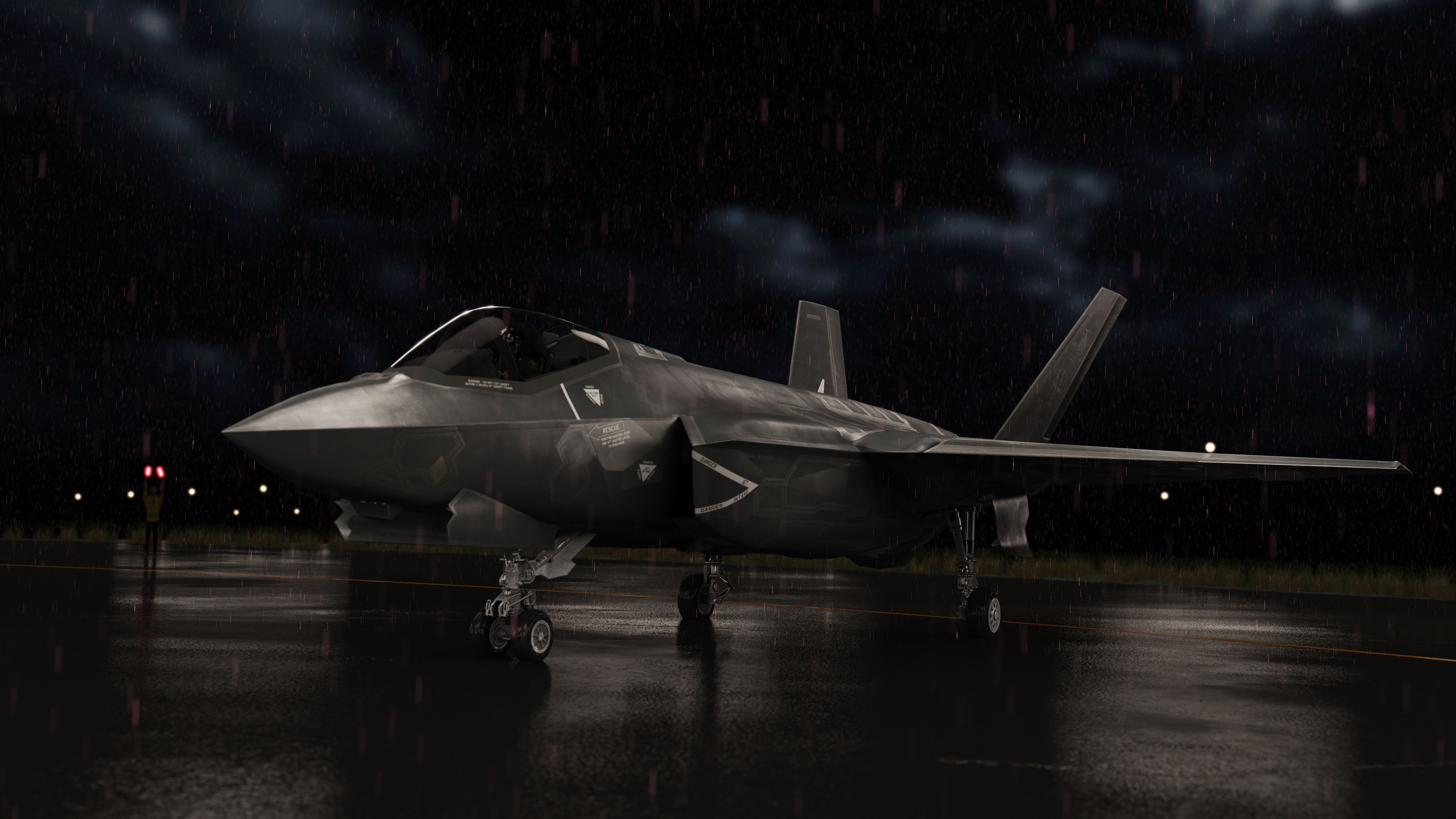
The F-35 Joint Strike Fighter

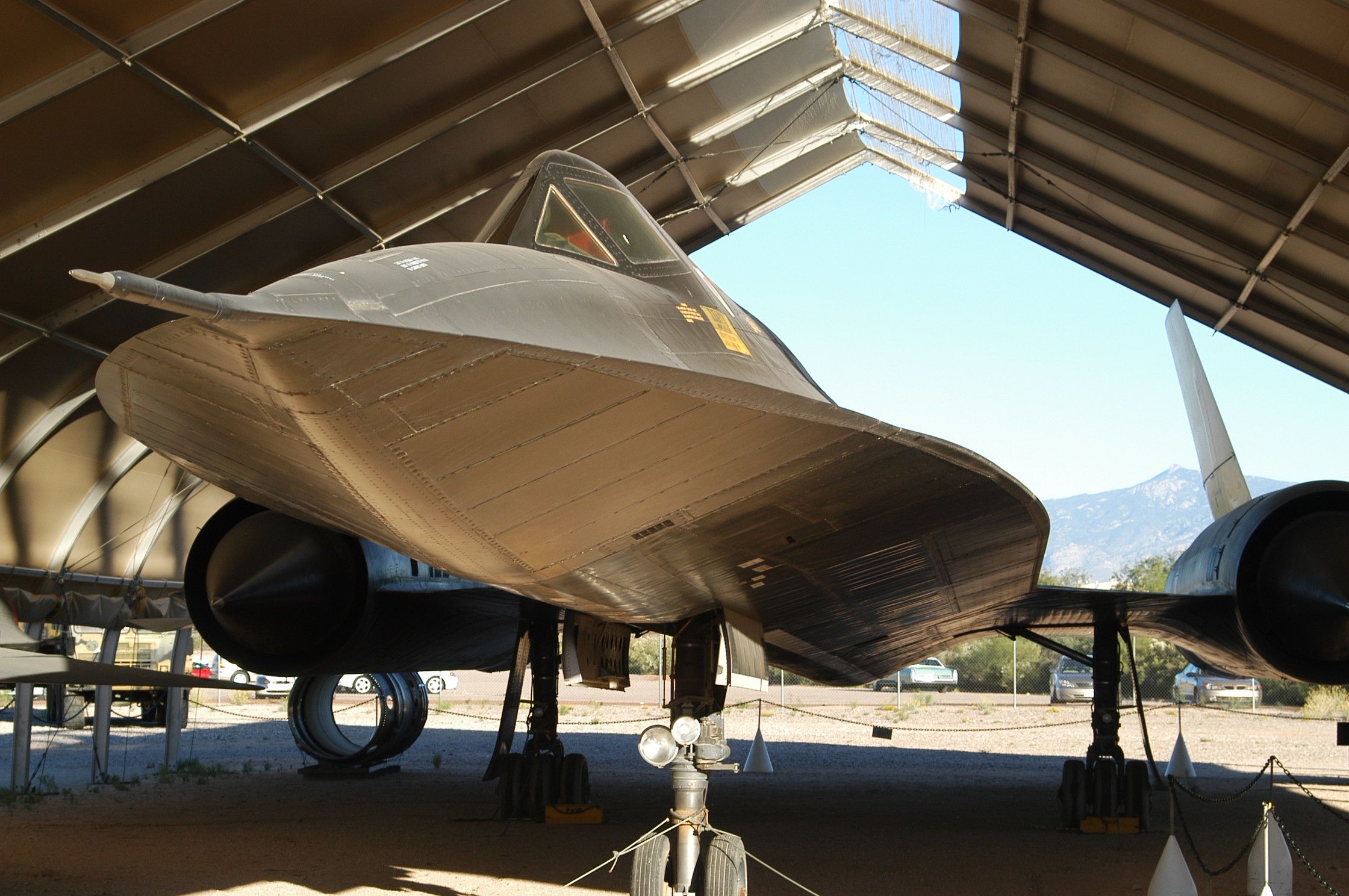
The SR-71 blackbird

NASA’s Mars Rover missions

These are the business systems behind the world’s most advanced aerospace programs.

What you will learn
MODULE 1: WHY ARE WE HERE
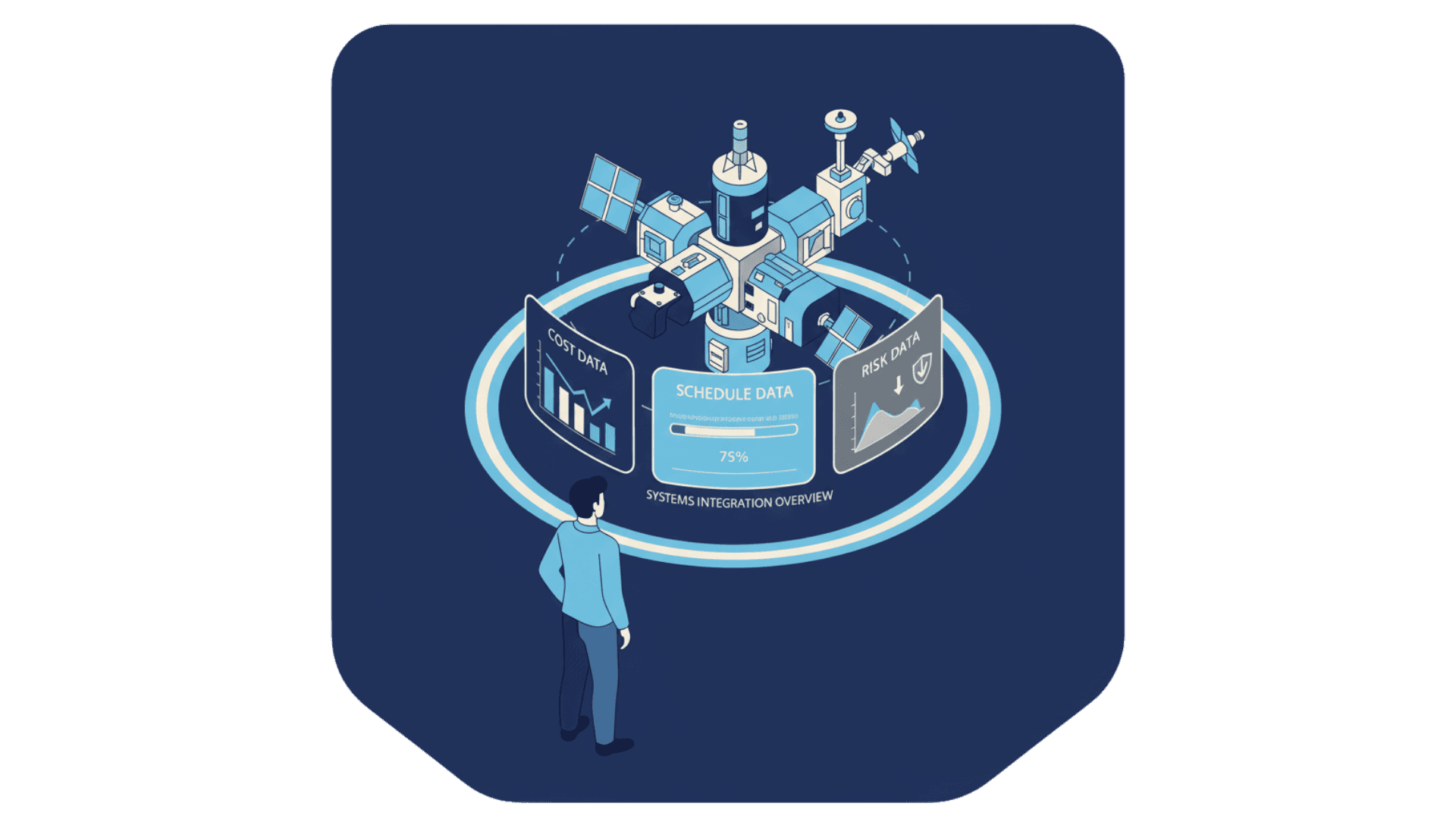
Stop reacting—start integrating. See the entire aerospace project lifecycle through the lens of a PP&C Integrator and understand how cost, schedule, risk, and control work together to drive mission success.
MODULE 2: WHERE DOES THE MONEY COME FROM
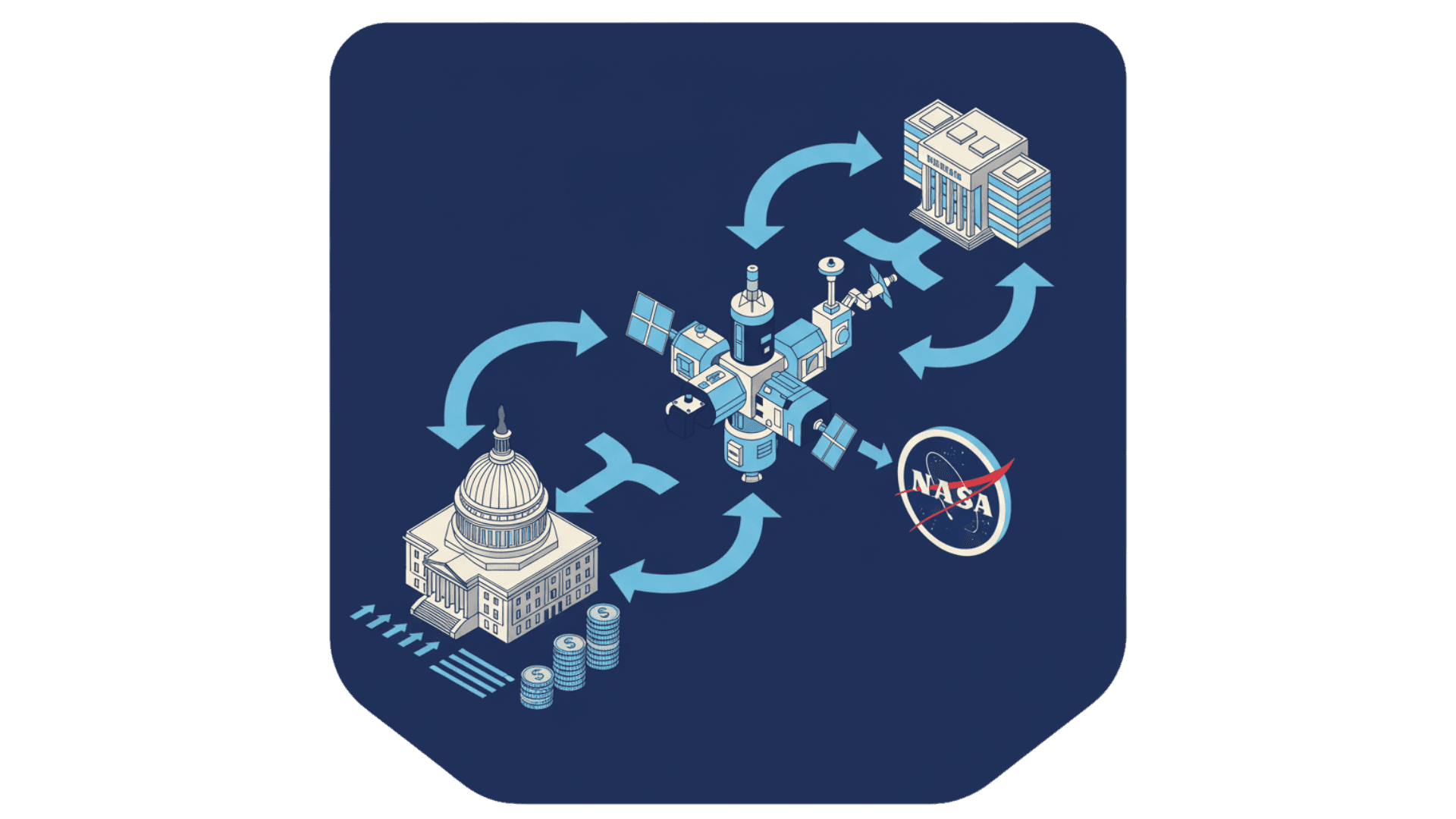
Demystify the Federal Budget Process. Learn how funding flows from Congress to NASA programs so you can align project plans with real financial timelines and constraints.
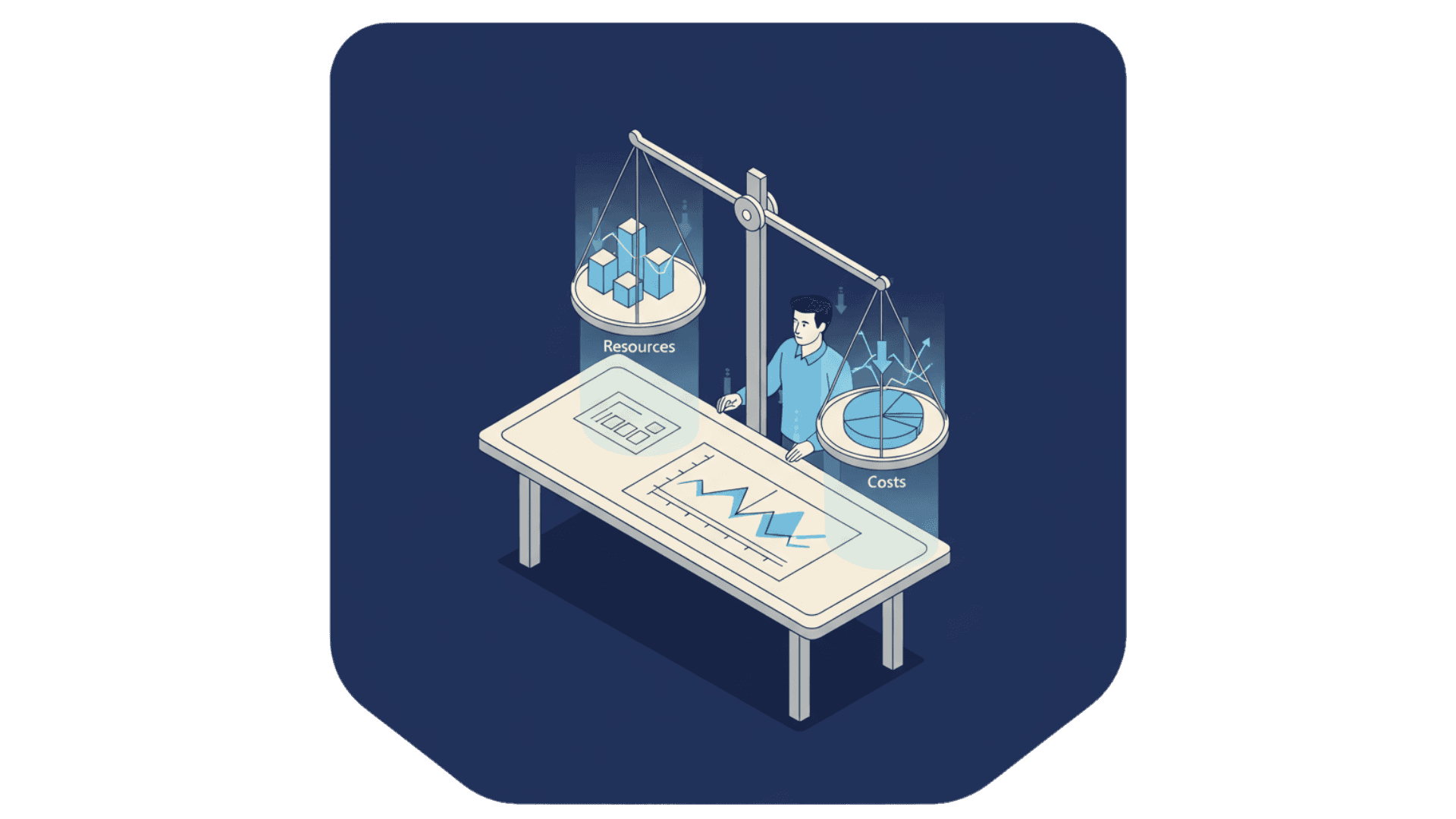
MODULE 3: BUDGET PLANNING
Build credibility through numbers that add up. Master how to formulate budgets, plan reserves, and phase costs to create accurate, defensible plans that pass any review.

MODULE 4: THE PROPOSAL PROCESS
Stop guessing. Learn the NASA-level framework for winning competitive bids and securing project funding from the start—complete with solicitation types, review gates, and integration best practices.
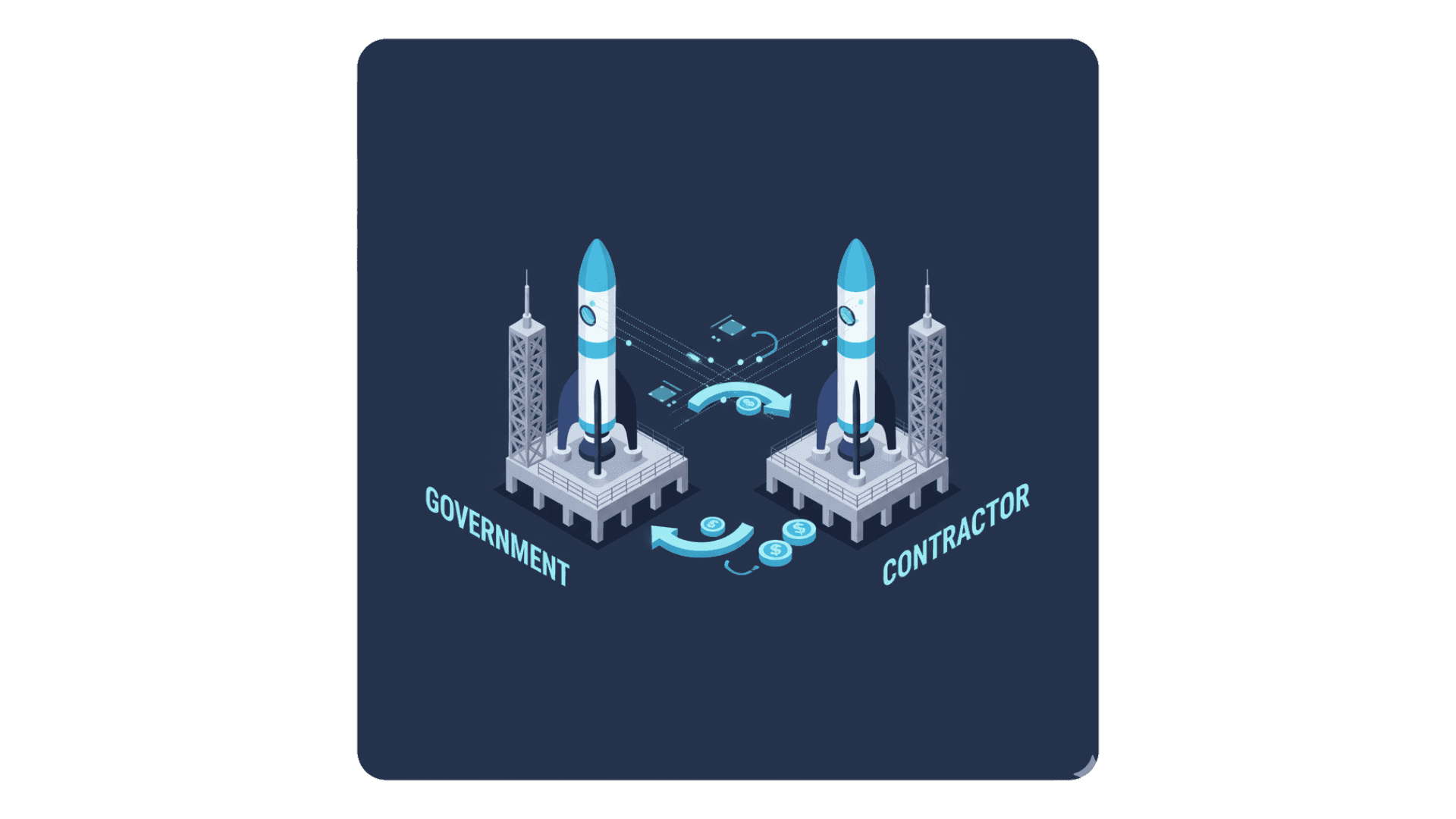
MODULE 5: INDUSTRY PERSPECTIVE
See how prime contractors think. Discover how aerospace companies balance sales, orders, income, cash flow, and margin—and what they expect from government partners.
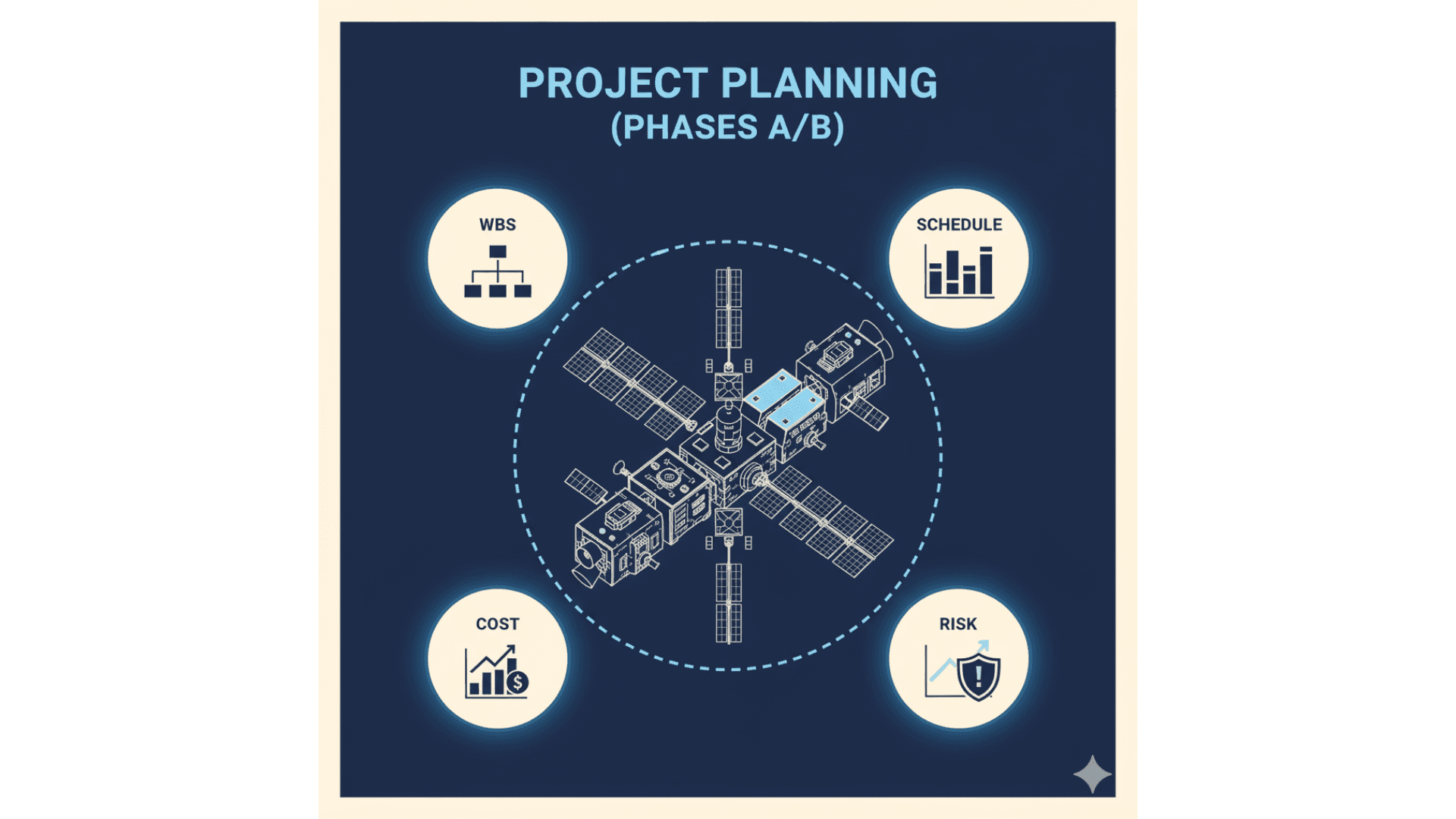
MODULE 6: PROJECT PLANNING (Phases A/B)
Design the mission before you launch it. Learn how to build credible work breakdown structures, cost estimates, schedules, and risk baselines that integrate into one coherent plan.

MODULE 7: PROJECT CONTROL (Phases C/D/E)
Turn data into decisions. Understand how to capture, report, and assess performance using integrated cost, schedule, and risk analysis—and how to communicate it with authority.

MODULE 8: BUDGET EXECUTION
Keep control once the money hits. Learn funds control, cost phasing, and how to manage obligations and expenditures without losing alignment to your baseline.
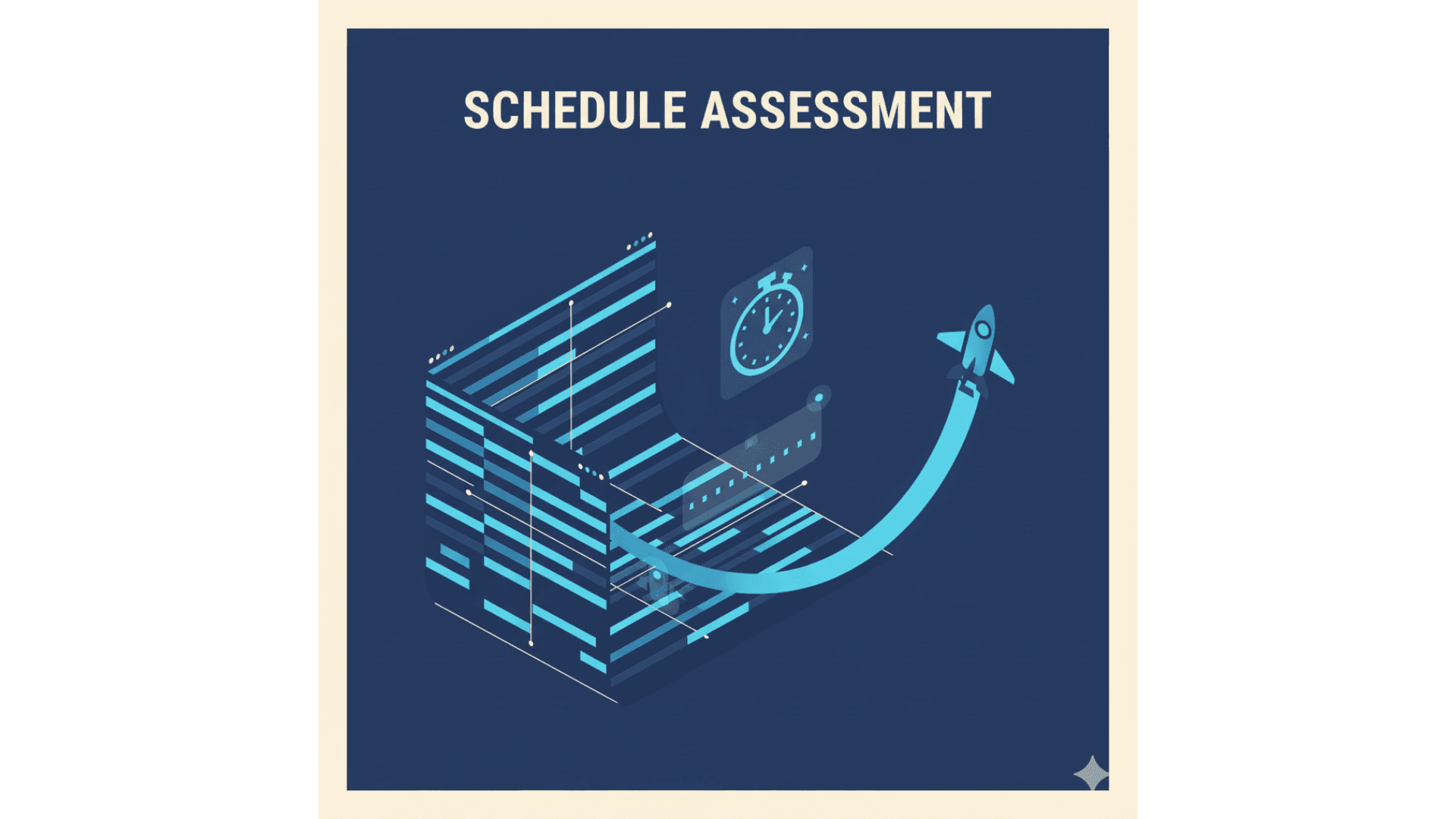
MODULE 9: SCHEDULE ASSESSMENT
Time is your most expensive resource. Learn to assess schedule health, analyze the critical path, integrate cost and schedule data, and detect slippage before it happens.
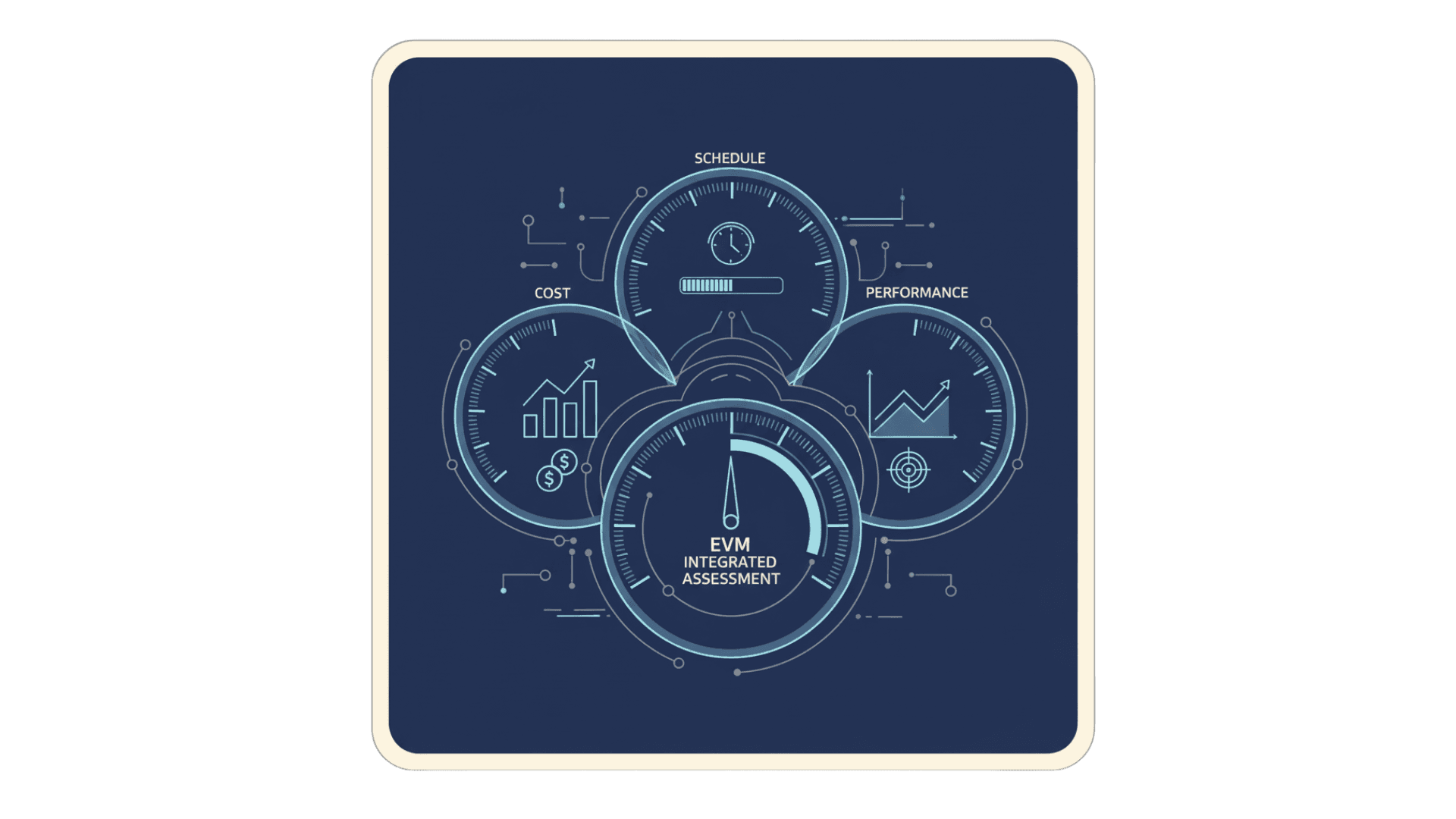
MODULE 10: EVM ASSESSMENT
Earned Value made clear. Gain the skills to interpret EVM metrics, spot hidden variances, and use performance data to drive smarter management decisions.
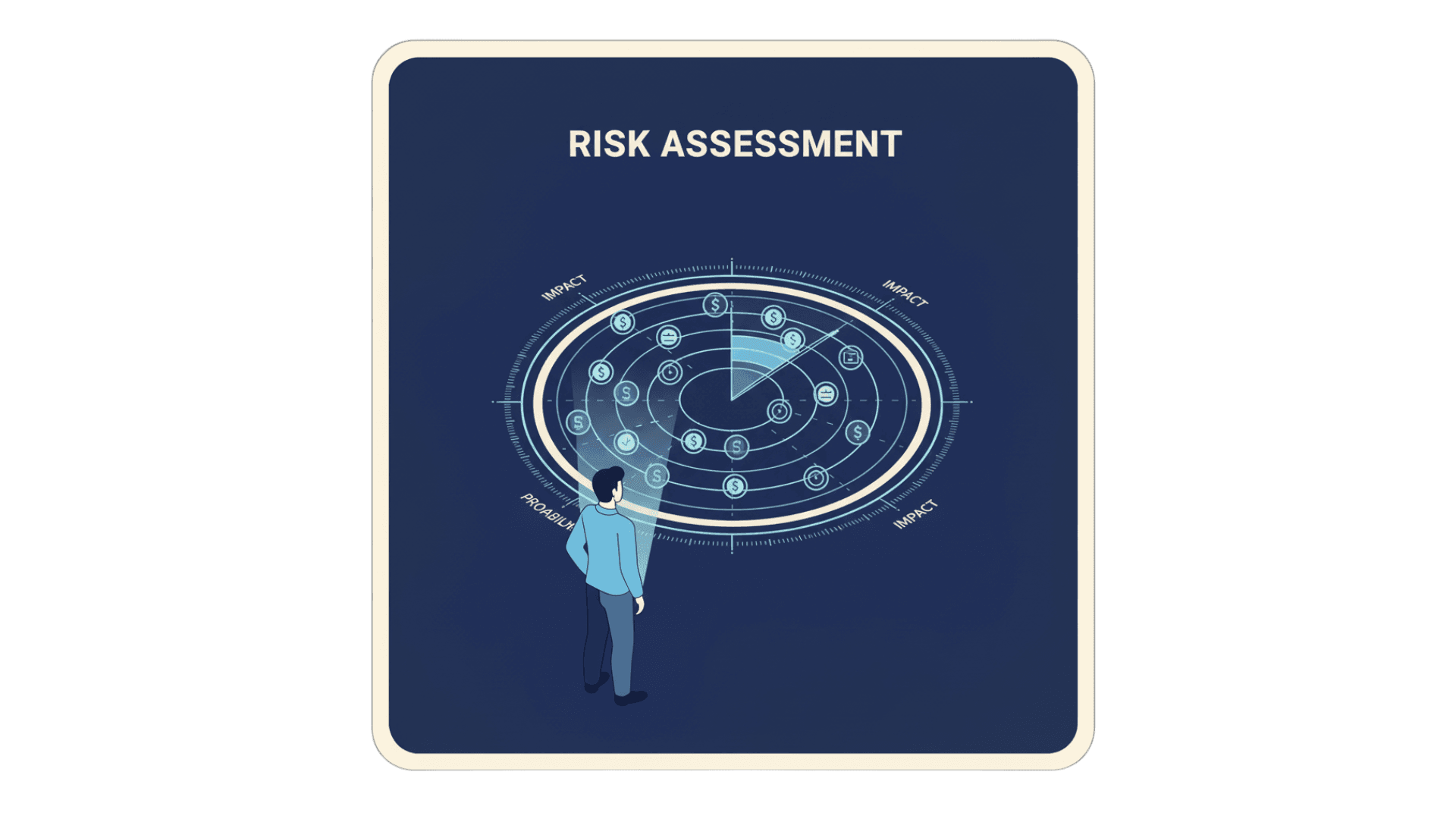
MODULE 11: RISK ASSESSMENT
Control uncertainty before it controls you. Learn qualitative and quantitative risk methods, schedule risk analysis (SRA), and technical performance metrics (TPM) used by NASA and major contractors.
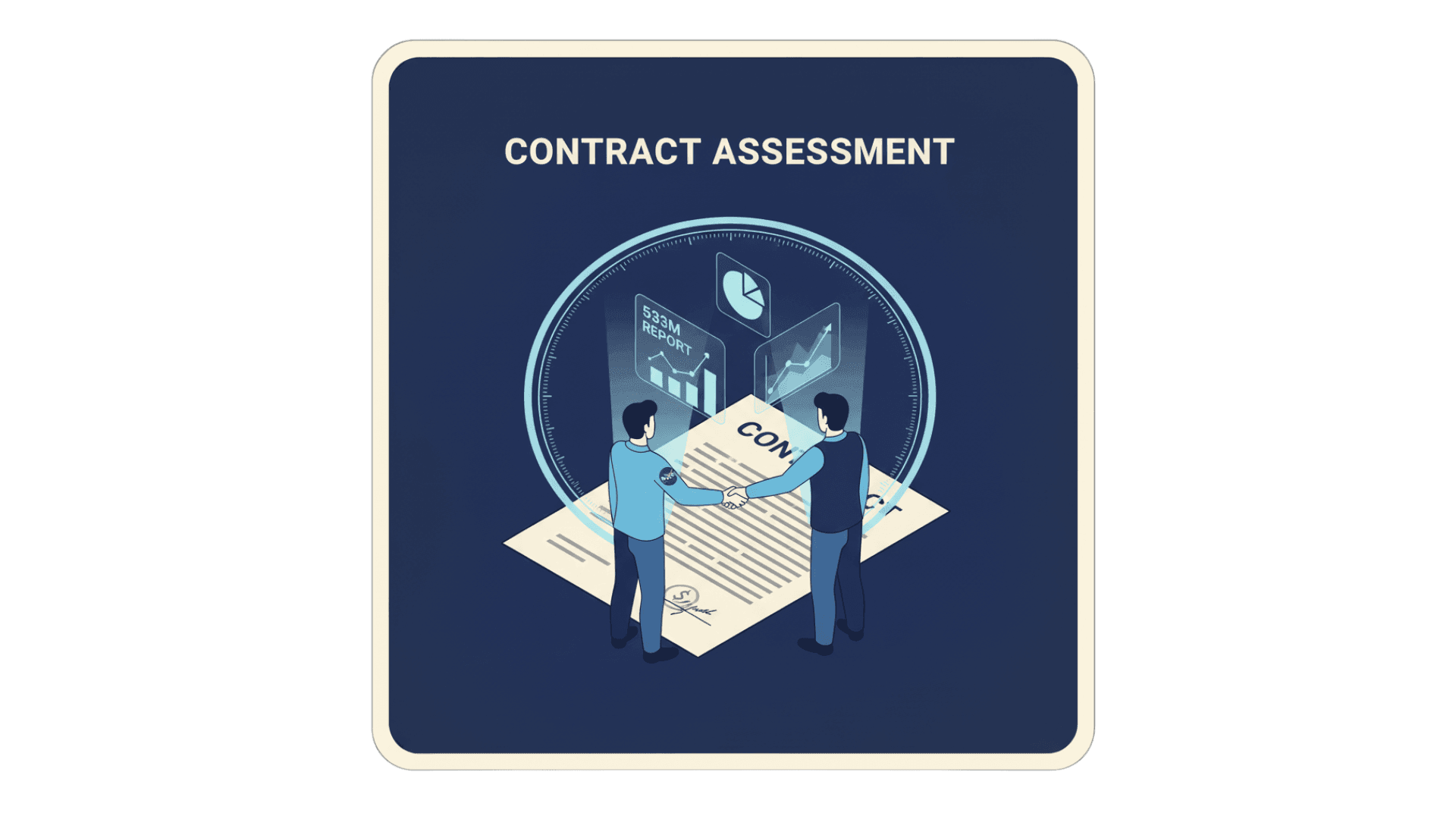
MODULE 12: CONTRACT ASSESSMENT
Understand the fine print that drives the dollars. Learn contract structure, cost elements, and how to analyze 533M reporting to ensure compliance and financial integrity.
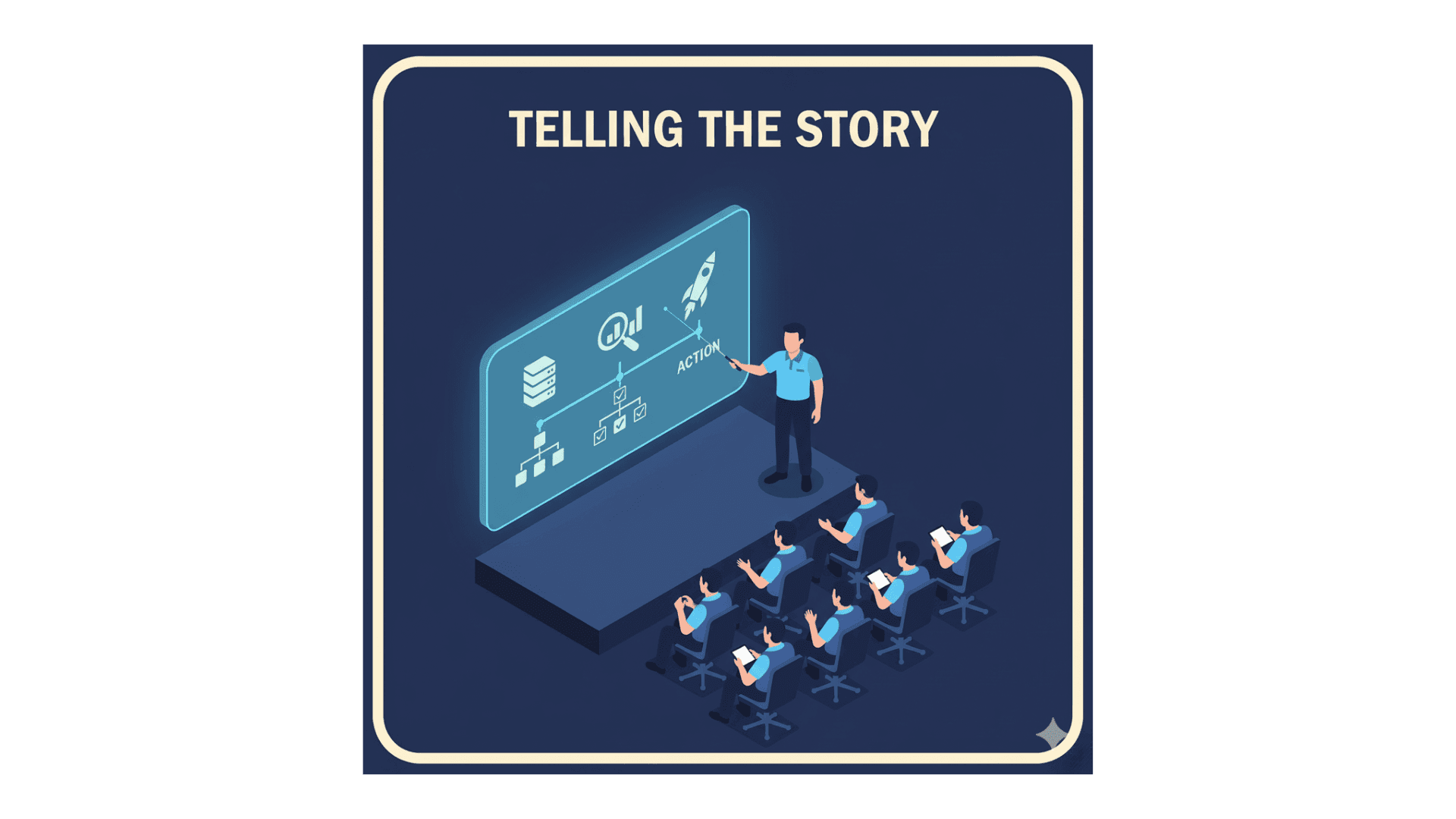
MODULE 13: TELLING THE STORY
Data doesn’t move people—stories do. Learn how to transform technical reports into clear, decision-ready narratives that build confidence with leadership and stakeholders.
MODULE 14: REVIEW CHECKLISTS
Never walk into a review unprepared. Use NASA-style checklists to know what to ask, what to look for, and how to assess credibility in every project discipline.
MODULE 15: SUMMARY
Connect the dots. Review the full PP&C integration framework from start to finish—and see how each function aligns to create total mission readiness.
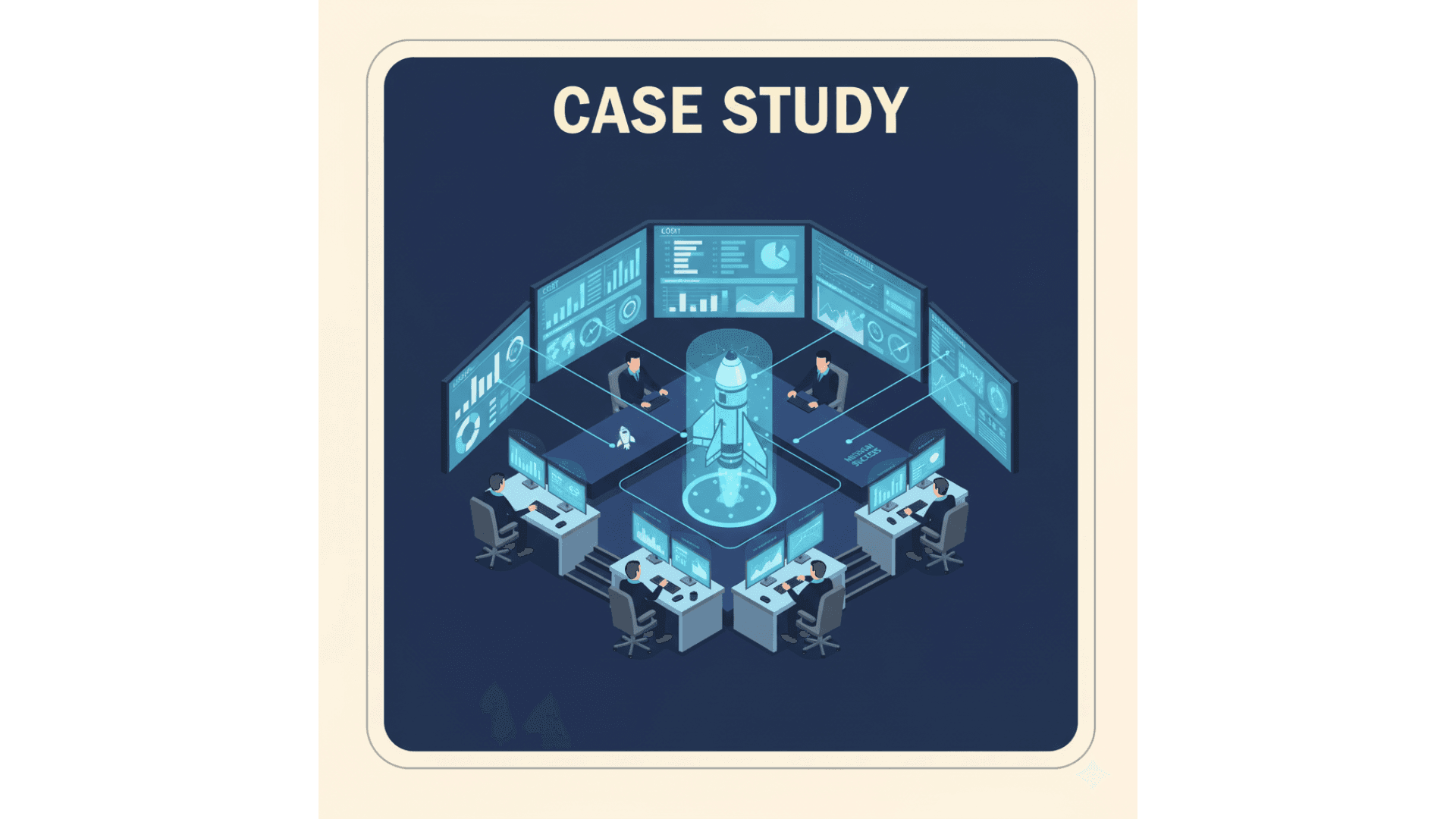
MODULE 16: CASE STUDY
Apply everything. Step into a real-world aerospace project scenario and practice integrating cost, schedule, and risk to deliver a project that launches on time and on budget.
What You’ll Be Able To Do After This
You will bring the following skills to advance your career.
✅ Build an integrated schedule
✅ Interpret NASA budget flow
✅ Understand how proposals work
✅ Speak the language of program managers
✅ Contribute in reviews
✅ Detect schedule slipping early
✅ Understand EVM
✅ Integrate cost, schedule, and risk
Your team can now learn the same systems used to run the Mars Rovers and America’s most advanced aircraft.
WHY THE $5,000 SEAT IS FREE
This is a pilot program. We’re testing the new delivery format before opening enrollment to the full industry.
This is a pilot program. We’re testing the new delivery format before opening enrollment to the full industry.

We are offering free seats to high-potential individuals because:

We want standout early-career performers in the room.

We want graduates who can become future case studies.

We want feedback as we prepare the full launch.

There is no cost, no upsell, no obligation.

Just a rare opportunity.
No cost. No obligation. No credit card required.
Limited to 15 spots
This is a one-time chance to learn NASA’s PP&C integration system from the leaders who built it.